Contact us
For more information, please contact our program administrator.
Welcome from our Program Director
About Our Program
Welcome to the HCA Florida JFK North Hospital Psychiatry Residency Program. We are a four-year, ACGME-accredited training program affiliated with Nova Southeastern University College of Medicine. We are dedicated to developing clinically outstanding, compassionate, and future-focused psychiatrists.
Located in West Palm Beach, Florida, our program offers residents the opportunity to train in one of the most comprehensive behavioral health systems in Palm Beach County. HCA Florida JFK North Hospital's Behavioral Health Unit houses more than 120 inpatient psychiatric beds and provides a full continuum of psychiatric care across child and adolescent, adult, and geriatric populations.
As the largest provider of inpatient behavioral health services in Palm Beach County, JFK North offers residents high clinical volume, exceptional pathology exposure, and experience across a wide spectrum of acuity levels and treatment settings. The hospital is also home to the largest adolescent inpatient psychiatric unit in Palm Beach County, allowing for early and meaningful exposure to child and adolescent psychiatry beginning in the intern year.
Our affiliation with Nova Southeastern University College of Medicine further strengthens our academic foundation and connects residents to a broader educational community. We provide rigorous academic training within a collegial, resident-centered environment that prioritizes mentorship, wellness, and individualized professional growth.
Curriculum and rotation schedule
Our expertly crafted programs are designed to provide resident and fellow physicians with all the experiences and training necessary for professional success.
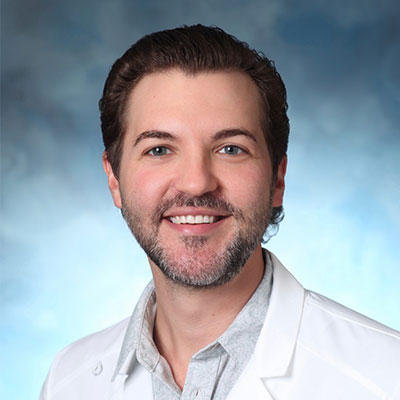
Our Program Director and staff
Our team is comprised of skilled experts with deep experience and knowledge from which residents and fellows can benefit.
Salary information
| Year | Salary | On-Call Meals | Total |
|---|---|---|---|
| PGY1 | $63,794 | $950 | $64,744 |
| PGY2 | $66,019 | $950 | $66,969 |
| PGY3 | $68,328 | $950 | $69,278 |
| PGY4 | $71,739 | $950 | $72,689 |
Why residents choose HCA Florida JFK North?
Applicants consistently choose our program for the combination of:
High clinical volume + broad pathology
Residents work in a large, busy psychiatric hospital serving a uniquely diverse and often underserved patient population. This translates into extensive exposure to severe mental illness, acute psychiatric emergencies, consultation complexity, substance use disorders, child and adolescent pathology, geriatric psychiatry, and longitudinal outpatient care.
Early clinical responsibility with strong faculty support
Residents are given meaningful autonomy from the beginning of training while working closely alongside highly accessible faculty committed to education. Our program maintains a true open-door culture in which resident learning and resident well-being remain central priorities.
Exceptional breadth of training
From inpatient psychiatry to interventional treatments and subspecialty outpatient clinics, residents graduate with confidence across all major domains of modern psychiatric practice.
Individualized mentorship and career development
Whether pursuing fellowship, private practice, academic psychiatry, or leadership roles, residents receive personalized faculty mentorship throughout all four years of training.
Work-life balance in South Florida
Our residents enjoy excellent work-life balance, quarterly wellness initiatives, and the lifestyle advantages of living in Palm Beach County! We are located just minutes from beautiful beaches, vibrant dining, and year-round warm weather.
Mission statement
The mission of the HCA Florida JFK North Hospital Psychiatry Residency Program is to educate psychiatrists who are clinically exceptional, intellectually curious, compassionate, and prepared to thrive in an ever-evolving profession. Through diverse clinical experiences, intentional mentorship, and an innovative curriculum that continually evolves with the field of psychiatry, we prepare our graduates to succeed in any practice setting while serving as leaders, educators, and advocates for their patients and communities.
As part of HCA Healthcare, we are guided by a singular mission: Above all else, we are committed to the care and improvement of human life.
Frequently asked questions about our Psychiatry Residency Program
Resident wellness is not treated as an afterthought; it is intentionally built into the structure of our program.
Residents benefit from:
- Quarterly Program-Wide Wellness Days
- Wellness topics built into didactics
- Strong emphasis on work-life balance
- Accessible and supportive faculty leadership
- Collegial resident culture
- Renovated resident lounge stocked with food and beverages
Additional resident benefits include:
- 20 PTO Days annually
- 5 CME Days annually
- Complimentary breakfast, lunch, and dinner in the hospital cafeteria
- Free on-site parking
- Work iPhone and laptop
- Educational expense reimbursement
- ACLS/BLS certification
- Florida training license fees paid
- HCA Healthcare Medical/Dental/Vision/Disability/Life Insurance options
- Employee Assistance Program offering behavioral health support for you and your partner or spouse
- 401(k) matching
- HCA Healthcare stock purchase program
We believe residency training should be both academically rigorous and personally supportive. Each resident is paired with a dedicated faculty mentor who provides longitudinal guidance in:
- Professional identity formation
- Fellowship and career planning
- Academic productivity
- Leadership development
- Wellness and resilience
- Personal goal setting
Mentorship meetings occur twice a year at minimum, ensuring each resident receives individualized attention and advocacy throughout residency.
We view call as an important part of psychiatric training and a key opportunity for residents to develop confidence, clinical judgment, and autonomy. Managing patients after hours, responding to behavioral emergencies, and making decisions in real time are essential skills for psychiatrists in nearly every practice setting.
Our call structure is built around graded autonomy. Residents begin with close supervision and tandem experiences before progressing toward more independent decision-making appropriate to their level of training. As residents advance through the program, the amount of call decreases while the level of autonomy increases.
Call occurs during the PGY-1, PGY-2, and PGY-3 years. PGY-4 residents do not take call, allowing the senior year to focus on advanced clinical experiences, electives, leadership, and individualized professional development.
During the PGY-1 year, call is primarily focused on the inpatient psychiatry units where interns are already rotating, allowing them to build on their day-to-day clinical work and maintain continuity with patients and teams. PGY-1 residents also gain early experience in the psychiatric emergency setting through short call shifts, initially paired with a more senior resident before progressing to appropriate independent coverage.
During the PGY-2 year, residents expand their call experience to include the psychiatric emergency department and consultation-liaison psychiatry service. PGY-2 residents also participate in a night float system, with no daytime clinical responsibilities while assigned to nights. Night float provides important experience managing urgent psychiatric issues after hours while maintaining faculty supervision and support.
During the PGY-3 year, call is limited to weekends and is shared across inpatient psychiatry, psychiatric emergency, and consult-liaison settings. This allows residents to continue developing independence while protecting time for outpatient psychiatry, psychotherapy, and longitudinal clinical work during the week.
At every level of training, residents are supported by an on-call attending psychiatrist. The goal of call is not simply service coverage. It is to help residents develop the skills, judgment, and confidence needed to manage complex clinical situations while knowing they are never practicing alone. ACGME clinical and educational work hour requirements are followed across all services.
Residents are allowed to pursue moonlighting opportunities starting in the PGY-3 year following the PRITE examination and approval of the Program Director and DIO.